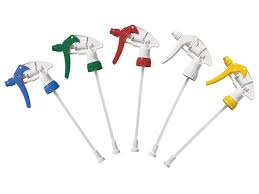
Plastic containers are rather common for good reasons almost everywhere. Remember, though, the days when metal and glass dominated packaging? Years have passed! Sort of similar to when you replace an old couch with a new, fluffy, sparkly one. Canyon Triggers sets off a memory of invention and advancement, not less. In any case, plastic has found a strong road in the packaging sector regardless of your point of view. This change did not occur over night, though, and it most certainly did not walk in a park.
Glass was king in bygone days. Used for everything from milk to pickles, it was the first choice. Metal took the stage, gathering canned items ranging from soup to beans. Both did, however, have certain disadvantages: heavy, delicate, and usually costly. Now enter plastic, a game-changer that transformed the packing landscape like a knight on white horses. Thanks to its lightweight, sturdy, and flexible character, plastic for packaging became rather popular in the late 20th century. For those trying to drop some weight off shipments, it let producers design containers that could take on different forms and shapes—a dream come true.
Not to add how reasonably cheap plastic got thanks to scientific developments. Recall the 1980s’ explosion of polypropylene and polyethylene varieties? These materials kept costs down and gave the packaging business strength and flexibility. Without the exorbitant price tag, it’s like replacing a fancy sports car for an environmentally responsible hybrid.
But stop your horses! Environmental issues first emerged in late 20th century consciousness. Pollution is horrible! The shift of climate! Plastic wasn’t clearing Scot-free. This was a period when knowledge of the possible hazards plastic presents for landfills and oceans developed. Made to address environmental issues, the courageous newbies—bioplastics and recycled plastics—made their presence. These are supposed to break down quickly or be produced from renewable resources; these are not the plastics of your grandmother. Anyone know plastic based on corn? Strange yet useful!